ADHD Through Life: ASRS Symptoms & Management
Have you ever wondered if your struggles with focus, organization, or staying still are just part of your personality? Many adults find themselves asking: "Is this just who I am, or could it be ADHD?" Attention-Deficit/Hyperactivity Disorder is not just a childhood condition. It is a lifelong journey that changes as you grow.
For many, these symptoms don't disappear; they simply evolve. What looked like running around in a classroom during childhood might turn into internal restlessness or chronic procrastination in adulthood. If you suspect your challenges are more than just "being busy," you can use an asrs adhd test to gain immediate clarity.
This article explores how these behavioral patterns manifest across different life stages. Understanding these changes helps you contextualize your experiences. By the end, you will have a better grasp of your unique patterns and know how to move forward with confidence.

ADHD in Early Adulthood: Establishing Foundations
Early adulthood, typically between the ages of 18 and 35, is a period of massive change. This is the time when the "external scaffolding" of childhood—such as parents and structured school schedules—usually disappears. For a young adult with this condition, this sudden lack of structure can feel overwhelming.
Recognizing ADHD During College Years
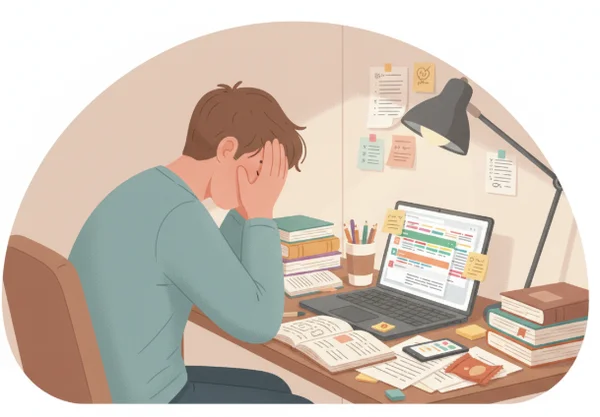
Transitions are often the moments when attention-related challenges become most visible. Moving out of your family home, starting university, or beginning your first full-time job all require significant self-regulation. This is particularly challenging for adults with ADHD. Without someone else to manage your calendar or wake you up, executive function gaps become apparent.
Many young adults find that they struggle with "adulting" more than their peers. They might forget to pay bills, struggle to keep their living space clean, or feel constantly behind. If these transitions feel impossible, it may be time to start your test to see if a neurodivergent profile is the underlying cause.
Workplace Challenges for Young Adults with ADHD
In university, the work becomes more self-directed. Long-term projects replace daily homework in university. For adults with ADHD who rely on last-minute urgency, this creates significant challenges. You might find yourself pulling all-nighters frequently because you couldn't start the essay until the very last moment.
In the workplace, the difficulties shift toward organization and social nuances. You might be excellent at "big picture" thinking but struggle with administrative tasks or showing up to meetings on time. This inconsistency often leads to high levels of stress and a feeling of "imposter syndrome."
First Steps Toward Understanding and Assessment
The first step toward managing these hurdles is self-awareness. Many young professionals and students feel a sense of relief when they realize there is a clinical reason for their struggles. It moves the conversation from "I am lazy" to "My brain works differently."
A great way to begin this journey is by using a standardized screening tool. The Adult ADHD Self-Report Scale (ASRS) is a world-recognized tool developed by experts to help adults identify their symptoms. You can access an asrs test online to receive a private, AI-driven report that explains your specific attention patterns.
Middle Age ADHD: Evolving Challenges and New Strategies
As adults move into their 30s, 40s, and 50s, life usually becomes more complex. This stage often involves managing a career, a household, and perhaps raising children. For those with attention deficit hyperactivity disorder, this "middle age" period can bring a unique set of stressors as the demands on their attention reach an all-time high.
Career Growth and Executive Function
By middle age, many people have reached management or senior roles. These positions require even more executive function—planning, delegating, and long-term strategizing. While people with this condition often thrive in fast-paced or creative environments, the "paperwork" side of leadership can be a major hurdle.
If you find that your career has plateaued or you are burnt out from trying to "mask" your symptoms, it is worth investigating. Middle age is a common time for a "late diagnosis" because the strategies used in your 20s may no longer work under the weight of increased responsibility.
Navigating Family Dynamics and Parenting
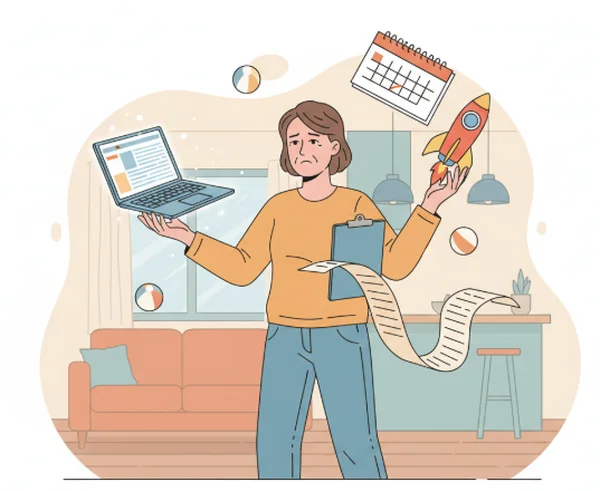
Parenting with ADHD presents unique challenges. The "chaos" of household management can easily lead to feelings of irritability and overwhelm. Keeping track of children's school schedules, doctor appointments, and emotional needs requires intense mental energy that can tax any neurodivergent brain.
Furthermore, these traits are highly heritable. Many parents only realize they have the condition after their child is diagnosed. Seeing the same patterns in their child often leads to a "lightbulb moment" regarding their own lifelong struggles with focus and impulsivity.
Relationship Patterns Beyond Romantic Partnerships
Attention challenges affect how we interact with everyone—partners, friends, and colleagues. Common issues include "zoning out" during conversations, forgetting important dates, or impulsive blurting. Partners may feel neglected or feel they have to "parent" their spouse, which creates tension.
Understanding that these are symptoms rather than character flaws is vital for relationship health. By taking a free adhd test, you can share your results with loved ones. This helps them understand that your "forgetfulness" is a biological challenge, not a lack of care or affection.
ADHD in Later Life: Adjusting Management Approaches
There is a common myth that people "grow out" of the disorder. Research shows this is rarely the case. While hyperactivity might decrease, the internal symptoms of inattention and executive dysfunction often persist well into the senior years.
Changes in Symptoms After Age 50
For adults over 50, these symptoms can interact with the natural changes of aging. Memory lapses that used to be manageable might become more disruptive. For women, the transition into menopause often causes a drop in estrogen, which can significantly worsen brain fog and emotional dysregulation.
In later life, the "hyperactive" component often transforms into a chronic sense of internal restlessness or an inability to relax. Recognizing these signs is important so that they are not dismissed simply as "old age" or "senior moments."
Distinguishing ADHD from Aging
As we age, it becomes harder to distinguish the disorder from other conditions. Anxiety, depression, and early-stage cognitive decline can all mimic or overlap with these attention patterns. A lifelong history of untreated symptoms can also lead to chronic stress, which impacts physical health.
Current diagnostic guidelines require that ADHD symptoms be present before age 12. This helps distinguish it from conditions that may appear later in life. Understanding your brain's baseline helps doctors provide better care. If you have lived your whole life feeling "different," getting an assessment in your 60s or 70s can provide much-needed closure and improve your quality of life.
Seeking Support and Treatment at Any Age
Whether you are 18 or 80, seeking support is a sign of strength. Management strategies in later life focus on maintaining independence and cognitive health. This might include coaching, environmental adjustments, or medical support tailored to an older body's needs.
If you are an older adult or a concerned family member, the first step is a simple screening. You can take the test at any time from the comfort of your home. The results can serve as a valuable document to bring to your primary care physician for further discussion.
Your Journey with ADHD: Next Steps Forward
This condition is a lifelong companion, but it doesn't have to be an obstacle. From the academic hurdles of early adulthood to the complex responsibilities of middle age and the unique transitions of later life, your symptoms will change. By understanding how these patterns show up in your daily life, you can discover practical strategies that actually work for you right now.
What matters most is that you don't have to navigate this uncertainty alone. Understanding your unique brain patterns can be transformative. Whether you are a student, a professional, or a retiree, recognizing your attention profile is the foundation for a better life.
If you are ready to stop guessing and start understanding, we invite you to use our confidential screening tool. Visit Asrstest.com today to complete the ASRS test and receive your personalized AI report. It is a private, fast, and scientifically-backed way to begin your journey toward clarity.
Frequently Asked Questions About ADHD Across the Lifespan
Can ADHD symptoms change or improve with age?
Yes, these symptoms often change their "look" over time. While some people find that their hyperactivity decreases as they get older, symptoms of inattention and impulsivity often remain. Many adults develop "coping mechanisms" that make it look like they have improved, but they may still be struggling internally with the effort required to stay organized.
Is there an optimal age for ADHD assessment?
There is no "perfect" age to get assessed. The best time is whenever you feel that your symptoms are interfering with your happiness, career, or relationships. Whether you are 19 or 55, getting a clear understanding of your brain's function is beneficial. You can start your test today regardless of your current life stage.
How do I know if my challenges are ADHD or just normal aging?
This is a common concern for older adults. This disorder is characterized by a lifelong pattern of symptoms, whereas age-related cognitive decline usually starts later in life. If you have struggled with focus and organization since childhood, it is more likely to be a neurodivergent trait. A professional screening tool like the ASRS can help differentiate between these two.
Can ADHD develop later in life, or is it always present from childhood?
Current diagnostic guidelines require that ADHD symptoms be present before age 12. This helps distinguish it from conditions that may appear later in life. However, many people are not diagnosed until adulthood because they were smart enough to "get by" or had enough support to hide their struggles. If you feel symptoms "started" recently, it might be that your current life stress has finally overwhelmed your ability to cope with long-standing, hidden challenges.