ASRS Test Scoring: What Positive Scores Mean for Adult ADHD
Ever found yourself wondering, "What does my ASRS test score actually mean?" Completing a screening for Adult ADHD is a big first step, but the results can feel confusing. You might see a "positive" score and wonder if it's a definite diagnosis or just a suggestion. Understanding the nuances of ASRS scoring is key to turning your results into meaningful action.
This guide is here to demystify the process. We'll walk you through exactly what an ASRS score indicates, how the test is structured, and what the different thresholds mean. Our goal is to empower you with clear, reliable information so you can understand your results and decide on your next steps with confidence.
The Adult ADHD Self-Report Scale (ASRS) is a valuable tool for exploring symptoms of inattention and hyperactivity. On our platform, we provide a confidential and user-friendly version of this test, enhanced with a unique AI-powered report that offers deeper insights. To begin your journey of self-discovery, you can start your test anytime.
What Does an ASRS Positive Score Indicate?
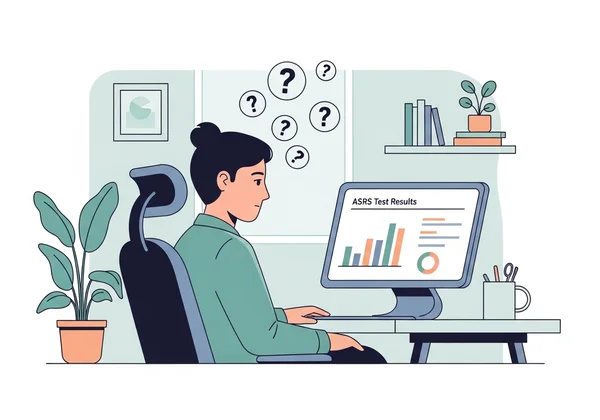
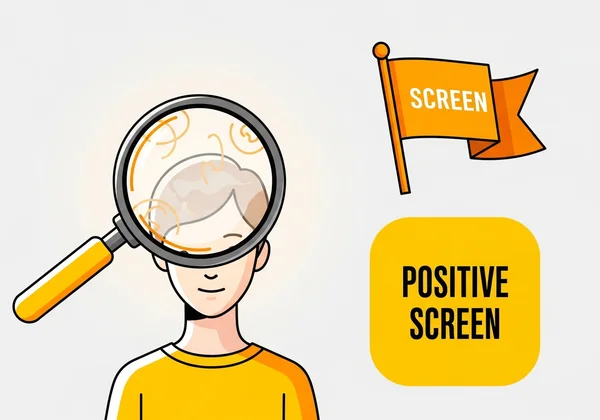
A "positive" result on the ASRS test isn't an official ADHD diagnosis. Instead, it indicates that your responses suggest the presence of symptoms that are consistent with Adult ADHD. Think of it as a preliminary flag—a signal that further exploration with a healthcare professional is a good idea. The ASRS is a scientifically validated screening tool, but it is not a diagnostic instrument.
The ASRS v1.1: Understanding Its Purpose
The ASRS v1.1 comes from the World Health Organization (WHO) and Harvard Medical School researchers. It's built for quick, reliable adult screening.
Think of the test as a conversation starter. It helps you organize your experiences into a structured summary to share with a doctor or therapist. It builds a bridge between your feelings of distraction and a clinical conversation.
ASRS Test Thresholds: How Scores are Flagged
The ASRS uses a scoring system based on "thresholds." A threshold is a specific number of responses that indicate a high likelihood of clinically significant symptoms.
If your answers meet or exceed this threshold, your screening is considered "positive." This design is highly sensitive to catch potential signs of ADHD. But it's crucial to know that other conditions—like anxiety, depression, high stress—can mimic these symptoms. This is why a positive screen isn't a final conclusion; it's a call for more investigation. It just means your symptoms warrant a closer look by a professional.
ASRS v1.1 Scoring Mechanics: Part A & Part B Explained
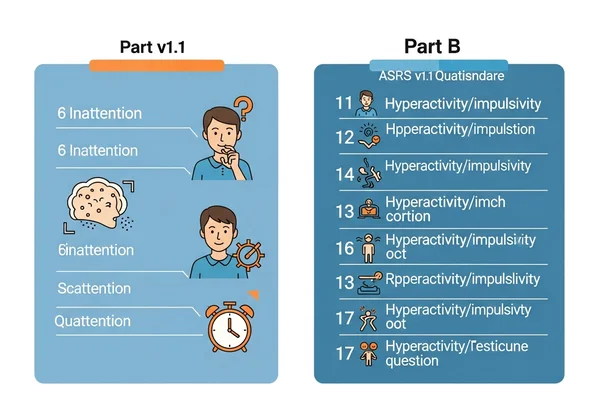
The ASRS v1.1 questionnaire is cleverly divided into two parts. Each part focuses on different aspects of ADHD symptoms as they appear in adults. Understanding how each is scored can help you better interpret your results and see which areas are more prominent for you.
Scoring Inattention Symptoms: Focus on ASRS Part A
Part A consists of the first six questions of the ASRS test. These questions are the most critical indicators of ADHD symptoms and focus primarily on inattention. This includes challenges like:
- Difficulty paying close attention to details or making careless mistakes.
- Trouble sustaining attention during tasks or activities.
- Struggling to organize tasks and activities.
- Frequently losing things necessary for tasks.
To get a positive screen on Part A, you typically need to endorse a certain number of these six questions (often four or more) as happening "Often" or "Very Often." A high score here strongly suggests that inattentive symptoms are significantly impacting your daily life.
Scoring Hyperactivity & Impulsivity: The ASRS Part B Deep Dive
Part B includes the remaining twelve questions. This section delves deeper into a broader range of symptoms, including those related to hyperactivity and impulsivity. These questions explore experiences such as:
- Feeling restless or fidgety.
- Feeling overly active, as if "driven by a motor."
- Interrupting others or blurting out answers.
- Having difficulty waiting your turn.
The scoring for Part B provides valuable context about hyperactive-impulsive traits. While Part A acts as the primary screener, both parts together create a comprehensive overview of your experiences. To gain a complete picture of your own patterns, you can try our free tool and receive an instant analysis.
Interpreting Your ASRS Score: Beyond the Numbers
An ASRS score is more than just a number; it's a snapshot of your recent experiences. Interpreting it correctly means looking beyond the result to understand the story it tells about your daily life. The test's real value lies in how it helps you recognize and articulate your challenges.
Common Misconceptions About ASRS Scores & Diagnosis
It's easy to fall into common traps when looking at your ASRS results. Here are a few misconceptions to avoid:
- Myth: A positive score is a definitive ADHD diagnosis.
- Fact: The ASRS is a screening tool. Only a qualified healthcare professional can provide a diagnosis after a comprehensive evaluation that includes clinical interviews, a review of your history, and ruling out other conditions.
- Myth: A low score means I definitely don't have ADHD.
- Fact: While a low score makes ADHD less likely, it's not impossible. If symptoms persist, you may still benefit from a professional assessment, especially if you primarily have inattentive-type ADHD.
- Myth: My score reflects a personal failing, like laziness or a lack of discipline.
- Fact: ASRS scores reflect potential neurodevelopmental differences, not a lack of character. ADHD is a recognized medical condition related to brain function and regulation.
Real-World Examples of ASRS Score Interpretations
Let's look at two anonymous examples to see how scores can translate into real-life scenarios:
-
Case 1: The Creative Professional. Alex scores high on Part A (inattention) but low on Part B (hyperactivity). This might look like constantly missing deadlines, struggling to organize project files, and feeling overwhelmed by admin tasks, even though they are brilliant at creative problem-solving. Their ASRS score highlights a clear pattern of inattentive challenges.
-
Case 2: The University Student. Maria scores high on both Part A and Part B. For her, this translates into difficulty sitting through long lectures (hyperactivity), blurting out answers in class (impulsivity), and forgetting assignments even when she understands the material (inattention). Her score points to a combined presentation of ADHD symptoms.
These examples show how the same tool can reveal very different profiles. This is why a personalized analysis can be so helpful.
Your Next Steps After a Positive ASRS Screen
Receiving a positive screen can feel both validating and overwhelming. It confirms your struggles are real, but it also raises the question: "What now?" The answer is to use this information as a tool to move forward.
Preparing for a Professional ADHD Assessment
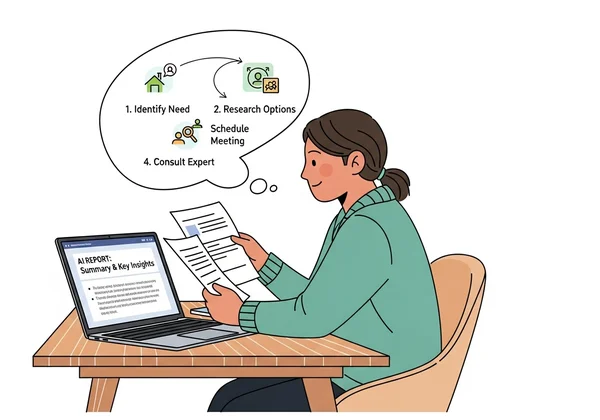
If your ASRS results suggest ADHD symptoms, your most important next step is consulting a healthcare professional. This could be a psychiatrist, psychologist, or a general practitioner with experience in adult ADHD. Here’s how you can prepare:
- Bring Your Results: Print or save your ASRS test results. This provides a concrete starting point for the conversation.
- List Your Symptoms: Write down specific examples of how symptoms affect you. Instead of "I'm disorganized," try: "I missed three deadlines this month because I lost track of project details."
- Review Your History: Think about whether these symptoms were present during childhood. ADHD is a lifelong condition, and a professional will want to know about your history.
How our AI report supports your journey
This is where our tool offers a unique advantage. Our standard ASRS test gives you an immediate score, but our exclusive AI-powered report goes much further. You receive a personalized analysis that breaks down your response patterns.
The AI report helps you because:
- It spots your top symptom clusters: inattention, hyperactivity, or a combination of both.
- It translates your patterns into real-world insights, making your results easy to grasp.
- It organizes everything into a clear, doctor-ready summary to make your consultation more productive.
To get this deeper level of understanding, explore your symptoms on our platform.
Now you understand what your ASRS score really means. It’s not a final diagnosis, but a powerful first step toward clarity. You can stop wondering and start a meaningful conversation with a healthcare professional, armed with clear insights about your own patterns. The test's real value isn't just the score—it's the confidence it gives you to take the next step.
Ready to see your patterns light up? Take the confidential ASRS test today and get an instant, AI-powered analysis to finally understand your unique profile.
Frequently Asked Questions About ASRS Scoring & ADHD
What does the ASRS test primarily assess for adults?
The ASRS test assesses the presence and severity of symptoms associated with Attention-Deficit/Hyperactivity Disorder (ADHD) in adults 18 and older. It specifically evaluates symptoms related to two key areas: inattention (e.g., difficulty concentrating, disorganization) and hyperactivity/impulsivity (e.g., restlessness, interrupting others).
How accurate is the ASRS ADHD test as a screening tool?
The ASRS v1.1 is a highly reliable and valid screening tool for identifying adults who may have ADHD. It was developed with the World Health Organization (WHO), and studies show it aligns well with clinical diagnoses. Remember, it's a screener, not a diagnostic test. Its accuracy comes from correctly flagging individuals who should seek a full professional evaluation.
What constitutes a "positive score" on the ASRS assessment?
A "positive score" on the ASRS is determined when your answers meet or exceed a set threshold on key questions, particularly in Part A. Typically, this means endorsing four or more of the first six questions as occurring "Often" or "Very Often." This score indicates your symptoms are significant enough to warrant a clinical assessment.
What age group is the ASRS test designed for?
The Adult ADHD Self-Report Scale (ASRS) is specifically designed and validated for adults, which is generally defined as individuals aged 18 and older. It is not intended for children or adolescents, as ADHD symptoms can present differently in younger age groups.
Is getting an ADHD diagnosis truly beneficial in adulthood?
For many adults, a formal ADHD diagnosis is life-changing. It explains lifelong struggles that may have been misattributed to laziness or personal failings. A diagnosis opens the door to effective treatments like therapy, coaching, or medication. It also helps you develop strategies to manage symptoms at work and home. To begin exploring if this path is right for you, a great first step is to get your report.