Hyperactive Symptoms of ADHD: What Restlessness and Impulsivity Can Look Like
Hyperactive symptoms of ADHD are often pictured as constant motion, but the real-life pattern can be more varied. A child may leave a seat again and again, while an adult may feel driven from the inside, talk quickly, interrupt without meaning to, or struggle to wait through ordinary delays. These signs can overlap with stress, sleep problems, anxiety, personality, environment, and age, so they are best understood as signals to observe carefully rather than final answers. If you are an adult trying to organize what you notice, an adult ADHD self-report starting point can help you reflect before deciding whether to discuss your experiences with a qualified professional.
What Hyperactive and Impulsive Symptoms Mean
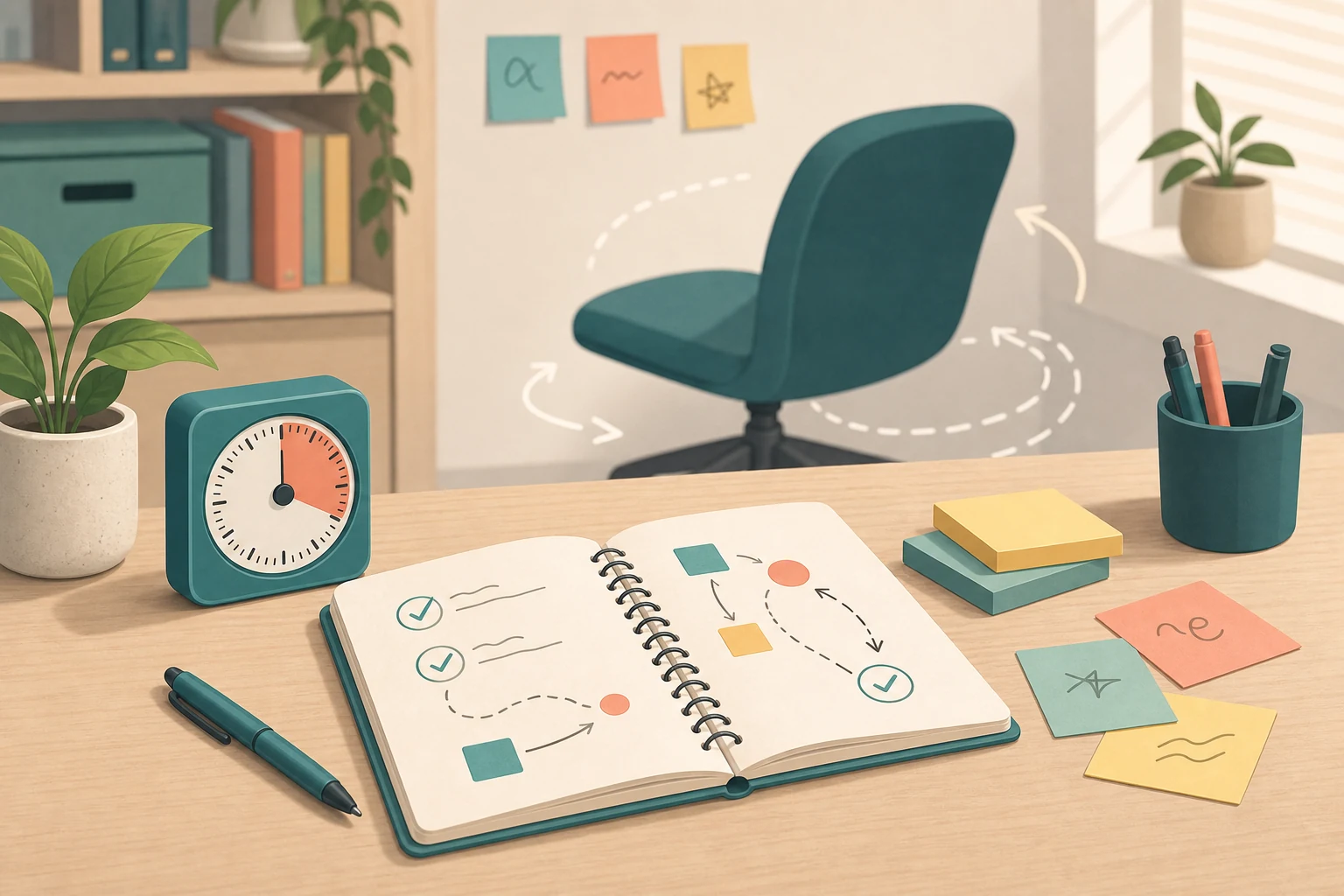
In ADHD, hyperactivity and impulsivity describe patterns of movement, action, speech, and inhibition. Hyperactivity is not only "running around." It can mean feeling unable to settle, needing frequent movement, fidgeting through quiet tasks, or feeling mentally revved even when the body is still. Impulsivity means acting before the pause arrives: answering too soon, interrupting, making quick decisions, or jumping into tasks without checking the details.
The phrase symptoms of ADHD hyperactive type is commonly used by searchers, although modern clinical language usually describes presentations rather than fixed types. A person may show mostly inattentive traits, mostly hyperactive-impulsive traits, or a combined pattern. The important point for everyday understanding is not the label itself. It is whether the pattern is frequent, persistent, hard to manage, and causing problems across settings such as school, work, relationships, driving, finances, or home routines.
Hyperactive impulsive symptoms of ADHD also tend to change with context. Someone may seem settled during a favorite high-interest activity but restless during repetitive work. Another person may manage quiet behavior in public, then feel exhausted from the effort afterward. Because of that variability, it helps to look for repeated patterns rather than one dramatic example.
Common Hyperactivity Symptoms to Notice
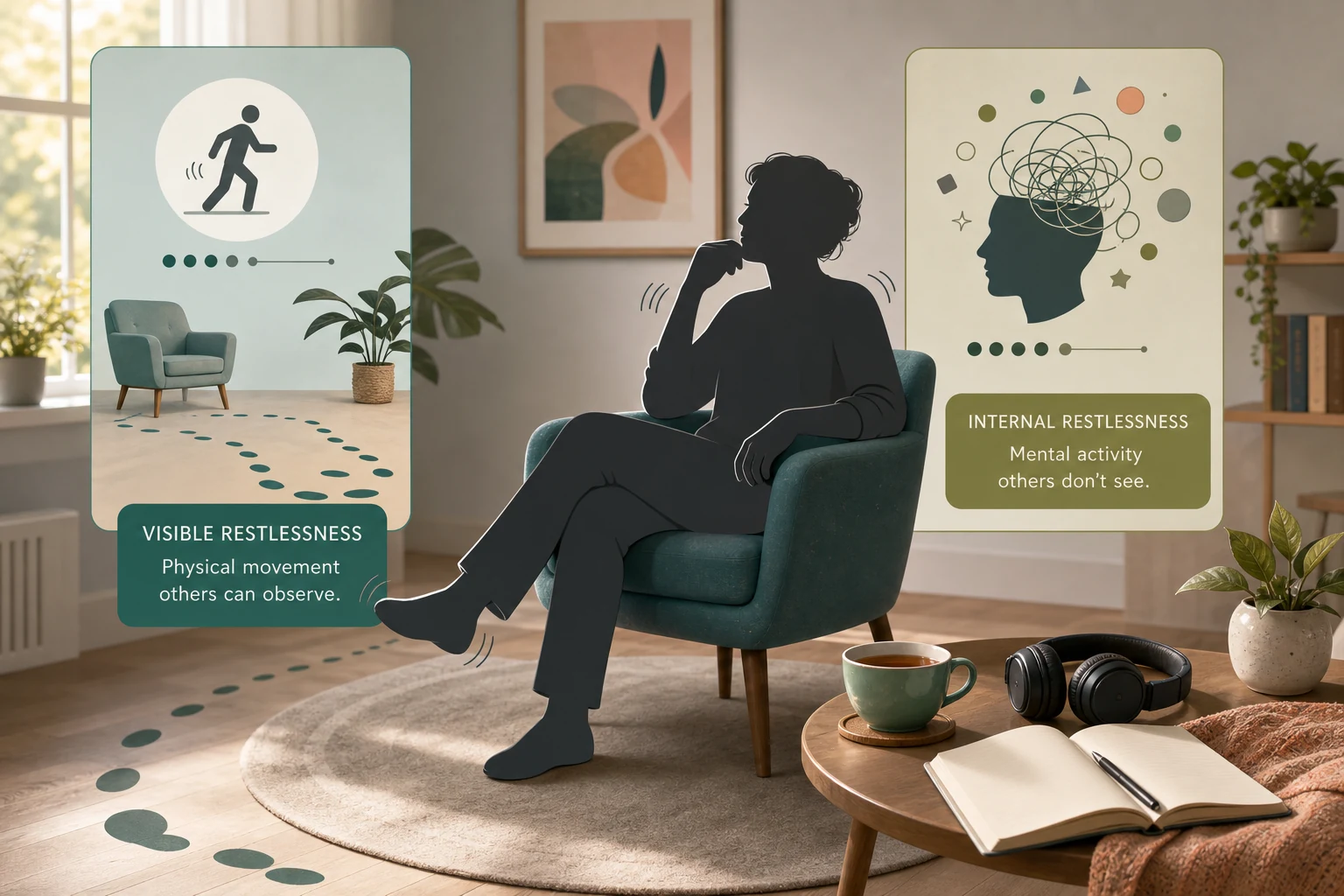
Hyperactivity symptoms of ADHD can be visible, subtle, or internal. Common examples include fidgeting, tapping, shifting posture, standing when sitting is expected, pacing during phone calls, talking more than intended, feeling uncomfortable during slow meetings, and seeking frequent changes in stimulation. Some people describe a steady "motor" feeling, as if their body or mind is always trying to move ahead.
In children, the pattern may look more physical: climbing, running in inappropriate places, leaving a seat, making noise during quiet activities, or struggling to play calmly. Symptoms of hyperactive ADHD in children can be especially noticeable in classrooms because school asks children to sit, wait, listen, and transition on a schedule.
In adults, the same trait may be masked by social expectations. Symptoms of hyperactive ADHD in adults may show up as inner restlessness, overcommitting, impatience in lines or traffic, difficulty relaxing, rapid task switching, or a habit of filling every quiet moment with input. Adults may also channel movement into productivity, exercise, multitasking, or constant phone checking. That does not make the pattern automatically harmful, but it can become draining when the person cannot choose when to slow down.

Impulsivity: The Symptom That Can Be Missed
Impulsivity is sometimes easier to judge after the fact than in the moment. It can look like blurting out answers, interrupting, finishing other people's sentences, buying something without thinking through the budget, sending a message too quickly, changing plans suddenly, or taking risks without enough pause. For some people, the issue is not lack of care. It is that the action arrives before the reflection has time to catch up.
Symptoms of hyperactive impulsive ADHD in adults may appear in conversation and decision-making more than in obvious movement. A person may know the rule, value the relationship, and still cut in because the thought feels urgent. Another may agree to too many obligations, then feel overwhelmed later. Others may chase novelty because boredom feels physically uncomfortable.
This is why a fair self-review should include behavior, emotion, and consequences. Ask: How often does the quick action happen? Does it create repeated problems? Do other people comment on it? Does the person feel remorseful or confused afterward? Do the patterns happen in more than one setting? These questions keep the focus on lived patterns instead of judging character.
How Symptoms Can Look in Women and Girls
Hyperactive symptoms of ADHD in women and hyperactive symptoms of ADHD in girls may be less obvious when movement is controlled or socially hidden. Some girls learn early to stay seated even when they feel restless, so the visible sign may become excessive talking, emotional reactivity, doodling, perfectionistic overwork, or constant mental activity. They may be described as chatty, intense, impatient, disorganized, or "too much" rather than hyperactive.
Women may report inner agitation, racing thoughts, difficulty relaxing, impulsive communication, or cycles of overfunctioning and burnout. They may also spend years compensating with calendars, reminders, social masking, and last-minute pressure. When hyperactivity is internalized, the outside world may see competence while the person feels as though every ordinary task requires extra effort.
These patterns still need careful interpretation. Restlessness and impulsivity can come from many sources, including anxiety, trauma, sleep disruption, substance use, hormonal shifts, grief, or a demanding season of life. The value of noticing gendered patterns is not to force a label. It is to avoid overlooking people whose ADHD-related traits do not match the stereotype of a disruptive young boy.
When ADHD Is Not Mainly Hyperactive
Searches for symptoms of non hyperactive ADHD or symptoms of ADHD not hyperactive usually point to an important confusion: ADHD does not always look energetic. Some people primarily struggle with inattention, organization, forgetfulness, task initiation, time awareness, or mental fatigue. They may be quiet, slow to begin, dreamy, or overwhelmed rather than visibly restless.
This matters because a person can have meaningful attention and executive function challenges without looking hyperactive. It also matters because some people have both patterns, but only one is obvious. A person who interrupts in meetings may also lose documents, miss deadlines, or avoid boring tasks. Another who seems calm may still experience intense internal restlessness.
If you are comparing symptoms of ADHD hyperactivity with inattentive traits, consider tracking both. Note examples of movement or impulsivity, but also note unfinished tasks, lost items, missed details, difficulty sustaining effort, and trouble following multi-step routines. A more complete picture is usually more useful than trying to fit every experience into one category.
A Practical Checklist for Self-Observation
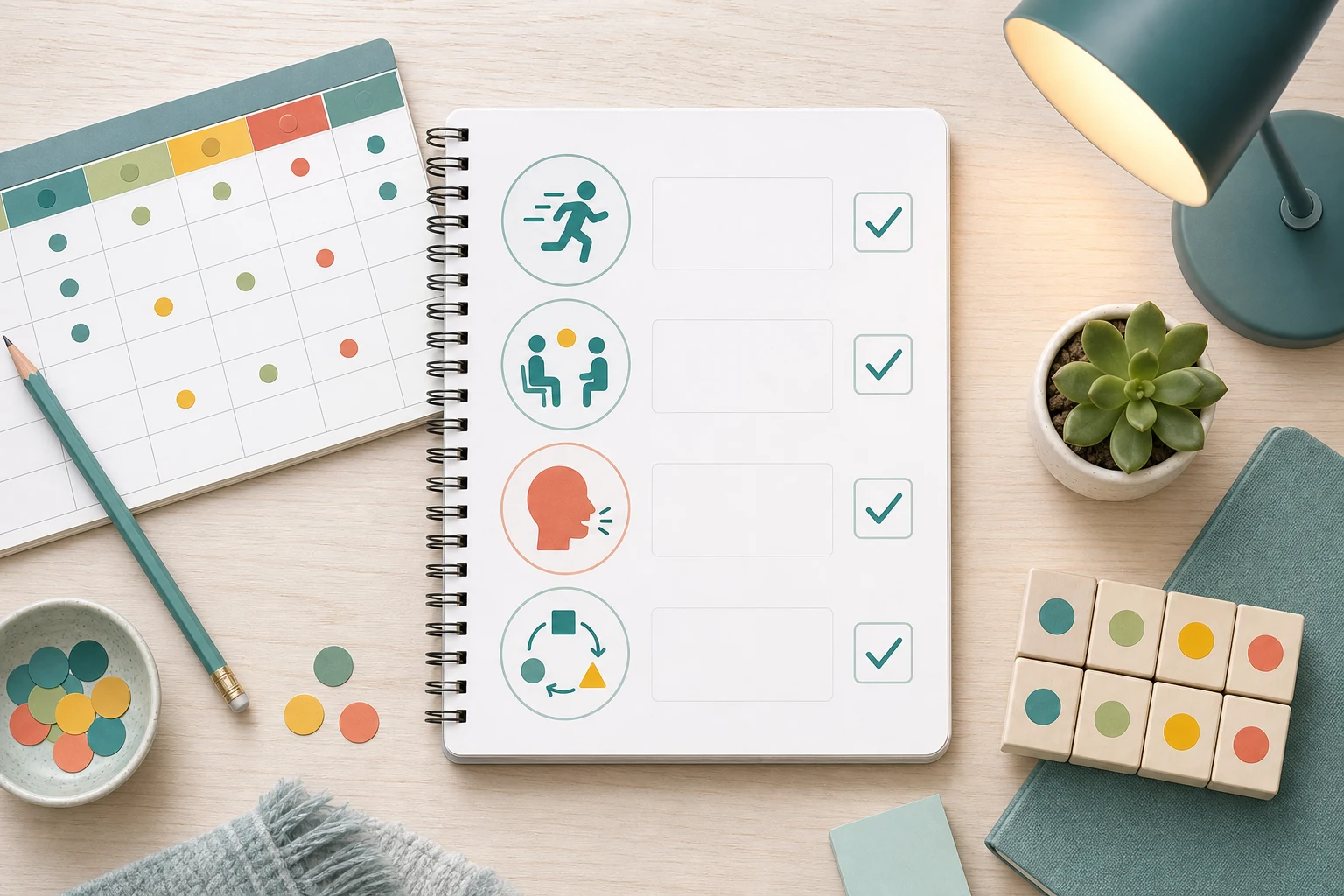
A simple checklist can make symptom review less emotional and more concrete. Over two to four weeks, write down brief examples when restlessness, impulsivity, or attention problems affect daily life. Keep the notes short: what happened, where it happened, what was expected, what you did, and what the result was.
Useful patterns to track include:
- Movement: fidgeting, pacing, leaving seats, difficulty relaxing, or needing constant stimulation.
- Speech: interrupting, talking more than planned, finishing others' sentences, or answering before a question ends.
- Waiting: impatience in lines, meetings, traffic, games, or conversations.
- Decisions: quick spending, sudden commitments, risky choices, or messages sent before reflection.
- Context: whether symptoms appear at work, home, school, relationships, or only in one setting.
- Impact: missed deadlines, conflict, exhaustion, shame, safety concerns, or repeated frustration.
This kind of tracking is also useful if you later speak with a clinician, therapist, coach, or counselor. It does not replace professional assessment, but it can make the conversation clearer. For adults who want a structured first reflection, a private ADHD screening tool can sit alongside your notes as one educational input, especially when you remember that screening results are not the same as a full clinical assessment.
Therapy and Support: What to Consider
Many related searches ask about therapy for ADHD, behavioral therapy for ADHD adults, and the best type of therapy for a child with ADHD. Support can vary by age, goals, and symptom pattern. For children, parent training, school supports, behavioral strategies, and coordinated care may be part of the discussion. For adults, therapy or coaching may focus on planning systems, emotional regulation, impulse pauses, communication habits, and reducing shame around repeated struggles.
The best support is usually specific. A person who interrupts may need conversational pause strategies. A person who overspends may need friction before purchases. A person who cannot sit through meetings may need movement breaks, note-taking, or role adjustments. A person who feels constantly restless may need a plan for sleep, exercise, stress, and stimulation that fits real life.
Medication may also be discussed with qualified medical professionals, but an informational article cannot decide what is right for any individual. If symptoms are intense, worsening, linked with safety risks, or causing serious impairment, professional care is the appropriate next step. The goal is not to turn every restless habit into a medical issue. The goal is to understand whether the pattern is persistent enough to deserve support.
Using Symptom Patterns as a Next Step
Hyperactive symptoms of ADHD are easiest to understand when you look at frequency, impact, and context together. A single restless day after poor sleep is different from years of feeling unable to slow down. One impulsive comment is different from a repeated pattern that harms work, relationships, or self-trust. The more specific your examples are, the easier it becomes to separate temporary stress from a long-running concern.
If you are an adult exploring symptoms of hyperactive ADHD, consider combining three low-pressure steps: keep a brief symptom log, compare hyperactive-impulsive and inattentive patterns, and use an ASRS-based self-reflection step as an educational starting point. Then, if the pattern seems persistent or disruptive, bring your notes to a qualified professional. A careful conversation can consider ADHD alongside sleep, anxiety, mood, substance use, medical factors, and life stress, which is exactly why self-reflection works best as a beginning rather than an ending.
FAQ
What are the main hyperactive symptoms of ADHD?
Common hyperactive symptoms include fidgeting, trouble staying seated, pacing, excessive talking, difficulty relaxing, impatience, and feeling internally driven or restless. In adults, the signs may be less visible and more like mental agitation, overcommitting, or constant task switching.
Are hyperactive symptoms of ADHD different in adults?
Yes, they can look different. Adults may not run or climb like children, but they may feel unable to unwind, become impatient during slow tasks, interrupt without intending to, or use constant activity to manage discomfort. The outward behavior may be controlled while the inner restlessness remains strong.
Can girls or women have hyperactive ADHD symptoms?
Yes. Girls and women may show visible movement, but they may also show talkativeness, racing thoughts, emotional intensity, impulsive messaging, or hidden restlessness. Social expectations can make these traits easier to mask, so repeated patterns and impact matter more than stereotypes.
What is the difference between hyperactive ADHD and non-hyperactive ADHD?
Hyperactive-impulsive patterns involve movement, impatience, quick action, or difficulty inhibiting responses. Non-hyperactive patterns are often more inattentive, such as forgetfulness, losing track, disorganization, or difficulty sustaining effort. Some people experience both.
When should someone seek professional support?
Professional support is worth considering when symptoms are persistent, appear in more than one setting, create repeated conflict or impairment, or feel hard to manage despite practical strategies. Urgent help is important if there are safety concerns, severe distress, or risky behavior.
Can an online ADHD screening tool tell me what I have?
An online screening tool can help organize reflection, but it cannot replace a full professional assessment. Use it as one educational input alongside symptom notes, personal history, and a conversation with a qualified professional if concerns continue.