What Do ADHD Meds Do? A Clear Guide for Adults
If you are searching "what do ADHD meds do," you may be trying to separate everyday stories from treatment basics. ADHD medication is not meant to change someone's personality or make them artificially productive. When prescribed and monitored by a qualified clinician, it is meant to reduce core ADHD symptoms while the medicine is active: inattention, impulsivity, restlessness, task switching problems, and some forms of executive function strain. Medication is only one part of ADHD care, and it is not the right fit for everyone. If you are still at the early "could this be ADHD?" stage, an adult ADHD screening starting point can help you organize your observations before a professional conversation.

How ADHD Medication Helps the Brain Communicate
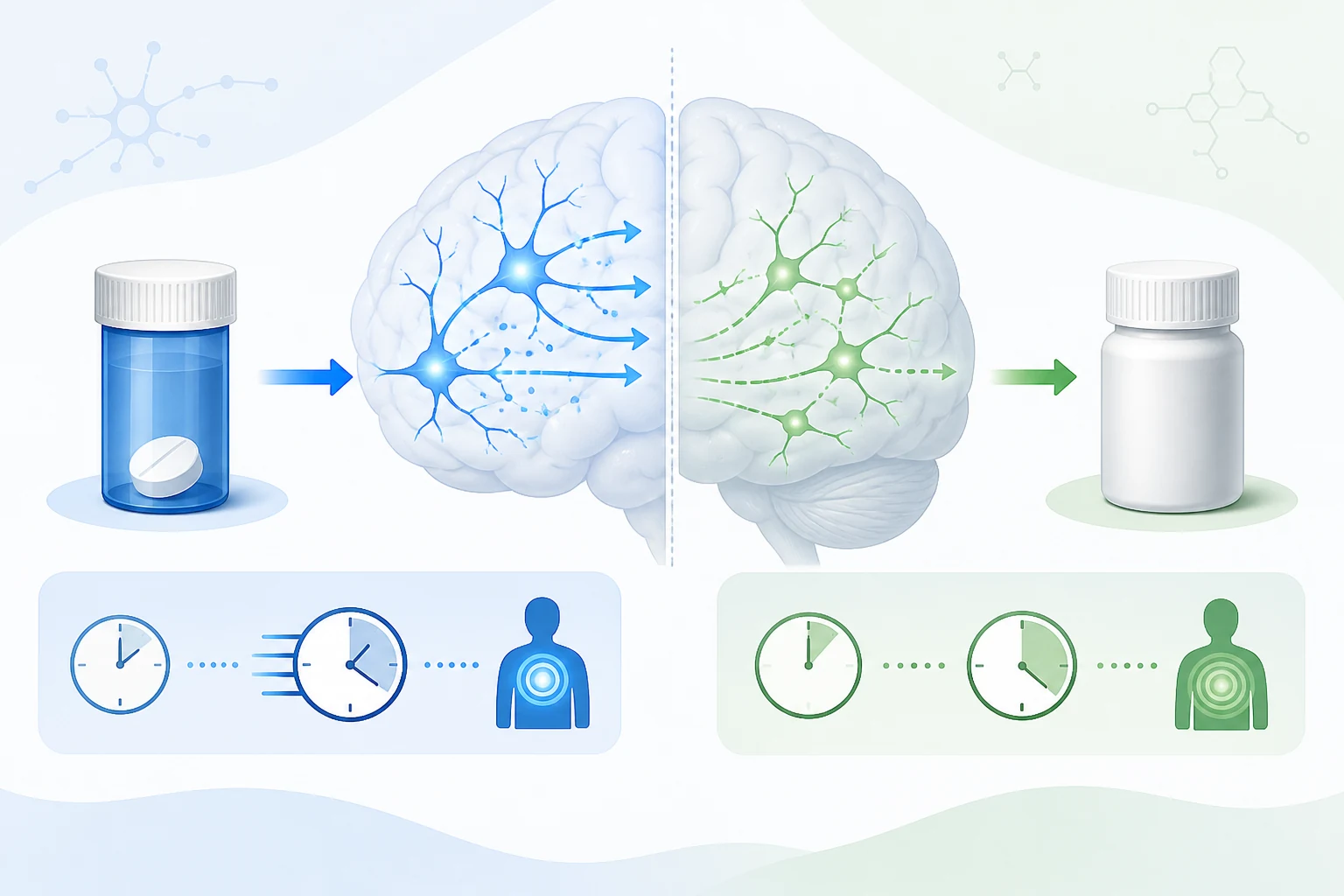
Most ADHD medications affect chemical messengers involved in attention, motivation, alertness, and impulse control, especially dopamine and norepinephrine. Brain cells pass messages across tiny gaps. Some ADHD medications help more messenger chemical become available; others slow reuptake so messages have more time to land.
That does not mean ADHD is only a "chemical shortage" or that medication fixes every part of life. It means the medicine may make it easier for the person to pause, notice what matters, stay with a task, resist an impulse, or return to a plan after interruption. The lived effect is often quieter than people expect. Some adults describe it as less mental static, fewer false starts, or a little more ability to choose the next step.
Medication usually does not teach planning skills by itself. If a person has spent years coping with missed deadlines, shame, sleep problems, or messy routines, they may still need behavioral strategies, therapy, coaching, workplace supports, or practical systems. Medication can lower the friction enough for those tools to become easier to use.
Stimulants, Nonstimulants, and Common ADHD Medication Names
ADHD medication names can be confusing because people use brand names, generic names, and drug classes interchangeably. The two large categories are stimulants and nonstimulants.
Stimulants are the best known ADHD medications. They include methylphenidate-based medicines, such as Ritalin and Concerta, and amphetamine-based medicines, such as Adderall and Vyvanse. These medications often act faster than nonstimulants. A prescriber may choose a short-acting or long-acting form based on work hours, sleep, appetite, side effects, and misuse risk.
Nonstimulant ADHD meds include atomoxetine, guanfacine, clonidine, and viloxazine. These medicines usually work more gradually. They may be considered when stimulants are not a good fit, side effects are difficult, there is a history of substance misuse, or steadier coverage is desired. Some antidepressants are also used off label in adult ADHD care, especially when depression or anxiety is part of the clinical picture.
The "most effective ADHD medication for adults" is not one universal product. Effectiveness depends on the person's symptoms, body response, health history, other medications, sleep, anxiety, blood pressure, substance use risk, and goals. Many people need careful dose adjustments or a different medication before finding a useful balance.
What Does Adderall Do to People With ADHD?
Adderall is an amphetamine-based stimulant. For someone with ADHD who has been prescribed it, the intended effect is not euphoria. The goal is symptom reduction: better ability to sustain attention, less impulsive responding, improved follow-through, and sometimes less inner restlessness.
That effect can feel different from person to person. One adult may notice that email is less overwhelming. Another may find conversations easier to follow. Someone else may begin boring tasks with less delay. Some people feel uncomfortable, overly activated, irritable, anxious, flat, or unable to sleep, which is why prescribing is usually a process of monitoring rather than a one-time choice.
It is also worth separating medication effect from life context. If a person is sleep deprived, underfed, highly stressed, or taking other substances, a stimulant can feel rougher. Good ADHD treatment often includes sleep, nutrition, routines, therapy, and medication timing, not just the prescription itself.
How Does Medication Help ADHD in Adults Day to Day?
Adults often ask this because their symptoms may not look like a child bouncing around a classroom. Adult ADHD may show up as chronic lateness, missed details, difficulty starting work, emotional reactivity, lost conversations, messy paperwork, or the sense that simple tasks require unreasonable effort.
Medication can help by reducing the gap between intention and action. It may make it easier to hold a task in mind, notice distractions before following them, or keep enough motivation online to finish. It may also reduce impulsive decisions, interrupting, or restless task hopping.
Still, medication is not a personality upgrade or a replacement for support. A person may focus better but still need a calendar system. They may procrastinate less but still need realistic task sizing. They may feel calmer during work but still need boundaries around meetings, messages, sleep, and burnout. For readers collecting patterns, a free ASRS-based self-reflection tool can be a low-pressure way to describe attention and impulsivity experiences before discussing next steps with a clinician.
A practical medication reflection checklist
- What symptoms are you hoping would change: focus, impulsivity, restlessness, emotional reactivity, task initiation, or follow-through?
- What would "helping" look like in daily life: fewer missed bills, easier meetings, less doom scrolling, calmer driving, or finishing chores?
- What side effects would be unacceptable for you: insomnia, appetite loss, mood changes, heart racing, or feeling unlike yourself?
- What else is affecting attention right now: sleep, anxiety, depression, trauma, substance use, workload, or medical issues?
Bring notes like these to a qualified prescriber. They make the conversation more specific.

What Do ADHD Meds Do Side Effects-Wise?
Side effects vary by medication type, dose, timing, and individual health. Stimulants commonly raise concerns about appetite, sleep, heart rate, blood pressure, irritability, stomach upset, headaches, or a "rebound" feeling as the dose wears off. Nonstimulants may cause fatigue, sleepiness, nausea, appetite changes, dizziness, stomach discomfort, or sleep changes, depending on the medication.
Side effects are not proof that medication is wrong forever. They are signals to discuss. A clinician may adjust dose, timing, formulation, food routines, or medication type. They may also monitor blood pressure, heart rate, mood, sleep, and other medicines or supplements.
Some symptoms need urgent attention, especially chest pain, fainting, severe agitation, hallucinations, signs of mania, severe allergic symptoms, or thoughts of self-harm. Anyone experiencing those should seek medical help promptly. For everyday concerns, do not raise, lower, stop, or share medication without prescriber guidance.
What Do ADHD Meds Do to Someone Without ADHD?
This question appears often because people hear stimulants described as "study drugs." In someone without ADHD, a prescription stimulant may increase wakefulness, energy, or a sense of drive, but that does not mean it improves learning, judgment, or long-term performance. It can also increase anxiety, appetite loss, sleep deprivation, fast heart rate, high blood pressure, irritability, and risk-taking.
Taking stimulant medication without a prescription, taking someone else's medication, crushing or snorting it, mixing it with alcohol or other substances, or using higher doses than prescribed can be dangerous. Prescription stimulants are controlled substances because misuse can lead to serious harm, including substance use disorder and overdose. The safer answer is plain: ADHD meds are medical treatments, not productivity shortcuts.
What Reddit Stories Can and Cannot Tell You
Reddit threads can be useful for hearing how varied medication experiences are. They can show that one person felt calm on methylphenidate, another preferred an amphetamine formulation, another disliked stimulants, and another did better with a nonstimulant. That range is real.
But Reddit cannot tell you what will happen in your body. Posts rarely include full medical history, dose, sleep, caffeine, other medications, anxiety level, cardiovascular risk, or whether the person was accurately assessed. Use stories as conversation prompts, not as instructions. A good question for a professional is not "Which Reddit experience sounds like me?" but "Given my symptoms and health history, what options are reasonable to consider, and what should we monitor?"
When Medication Is Only One Part of the Plan
ADHD medication may reduce symptoms while it is active, but adult ADHD care often works best when several supports line up. That can include ADHD-informed therapy, skills coaching, sleep work, exercise, environmental changes, reminders, simplified routines, or workplace accommodations.
Screening tools also have a role, but a limited one. They can help you name patterns and decide whether a professional evaluation makes sense. They cannot determine which medicine is appropriate, whether a symptom is caused by ADHD, or whether another condition is involved.

A Safer Way to Think About ADHD Medication Questions
The best answer to "what do ADHD meds do" is specific but cautious: they may help the brain use attention, motivation, and impulse-control systems more effectively while the medication is active. For many adults, that can mean less friction between wanting to do something and actually doing it. For others, the benefit is modest, side effects outweigh gains, or a nonmedication path is more appropriate.
Before asking for a specific medication name, it is often more useful to map the problem. What situations break down? What has been true since childhood? What happens when sleep is poor? What are you already doing to compensate? What risks would a prescriber need to know about? If medication questions are coming up because you recognize long-standing attention and impulsivity patterns, an anonymous adult ADHD screening resource can help you prepare clearer notes for a healthcare visit.
FAQ
How does ADHD medication make you feel?
When it helps, people often describe feeling more able to choose where their attention goes, begin tasks, stay with conversations, or pause before acting. Some feel calmer; others mainly notice that tasks require less mental effort. If the dose or medication is not a good fit, a person may feel anxious, irritable, flat, jittery, sleepless, or physically uncomfortable.
What is the downside of ADHD medication?
Possible downsides include side effects, cost, refill rules, stigma, the need for monitoring, and the time it can take to find the right option. Stimulants also have misuse and sharing risks. Medication may reduce symptoms, but it does not automatically build routines, repair sleep, or solve every executive function challenge.
What does ADHD medication do for normal people?
"Normal" is not a helpful medical category, but for someone without ADHD and without a prescription, stimulant use may increase alertness while also raising risks such as anxiety, insomnia, appetite loss, fast heart rate, high blood pressure, and misuse. It is not a safe or reliable study shortcut.
What are common ADHD medication names?
Common stimulant names include methylphenidate products such as Ritalin or Concerta and amphetamine products such as Adderall or Vyvanse. Nonstimulant names include atomoxetine, guanfacine, clonidine, and viloxazine. Brand availability and approved uses vary, so a prescriber is the right person to explain options.
Are ADHD medications for adults different from medications for children?
Some medication classes overlap, but adult treatment decisions use adult symptoms, health history, dose needs, work schedule, sleep, blood pressure, side effects, and coexisting conditions. Adults should not assume that a medicine or dose used by someone else is appropriate for them.
What is the 30% rule with ADHD?
The 30% rule is a popular executive function heuristic, not a medication rule. It suggests that some people with ADHD may lag behind same-age peers in self-regulation skills. Treat it as a rough teaching idea, not a measurement of ability or a reason to make medication decisions.
Is Vyvanse a stimulant?
Yes. Vyvanse is a stimulant medication in the amphetamine family. Like other stimulant medications, it should be used only as prescribed and monitored for benefits, side effects, sleep, appetite, mood, and cardiovascular concerns.
Do ADHD meds replace therapy or skills work?
Usually no. Medication may make symptoms easier to manage while active, but many adults still benefit from therapy, coaching, sleep support, environmental changes, and practical systems. The strongest plan is usually the one that fits the person's real life.