Workplace Accommodations for ADHD: Using Your ASRS Test to Advocate for Support
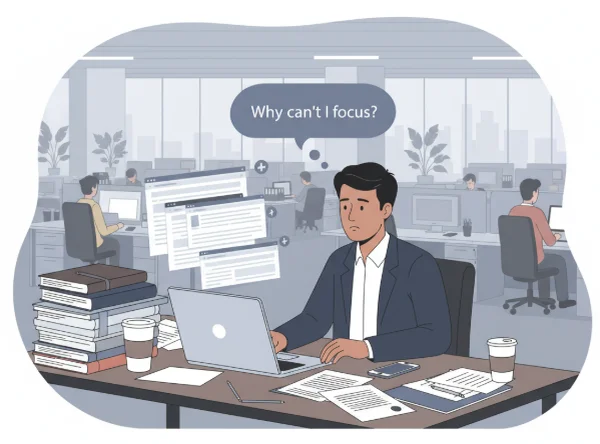
Many adults spend years feeling like they are working twice as hard as everyone else just to achieve the same results. You might struggle with missed deadlines, a messy desk, or the constant urge to check your phone during meetings. If you find yourself asking, "Why can't I just stay focused?" you are not alone. These challenges are often not a matter of effort but are symptoms of Adult ADHD.
Understanding your brain is the first step toward a more productive career. Using tools like the ASRS screening tool can help you identify specific patterns in your behavior. Once you have a clear picture of your symptoms, you can start looking for "reasonable accommodations"—simple changes to your work environment that help you perform at your best.
This guide explains how to use your screening results to advocate for yourself. We will cover your legal rights, how to talk to your boss, and which specific changes can make your work life easier. By the end, you will have a clear plan to turn your workplace into a space where you can truly thrive.
Understanding Your ASRS Test Results in the Workplace Context
The Adult ADHD Self-Report Scale (ASRS) is a world-renowned tool developed by the World Health Organization (WHO). It does not just give you a "yes" or "no" answer. Instead, it highlights how frequently you experience certain behaviors. In a professional setting, these frequencies matter because they dictate where your productivity "leaks" are happening.
Before requesting help, clarify your needs. The AI-generated report from your ASRS test pinpoints specific symptoms, giving you the language to advocate confidently. This report is a powerful bridge between feeling overwhelmed and taking professional action.
Translating ASRS Scores into Workplace Challenges
An ASRS score is divided into two parts. Part A usually focuses on the most predictive symptoms of ADHD, while Part B covers a broader range of traits. If you score high on questions regarding "difficulty in finishing the fine detail of a project," this translates directly to workplace issues like failing to proofread emails or missing small requirements in a client contract.
These scores replace self-criticism with clarity. For example, "I struggle with administrative details" becomes "My ASRS results show consistent inattention during routine tasks." This shift in language is essential when you decide to review your ADHD profile and discuss it with a healthcare provider or an HR representative.
Common ADHD Symptoms That Qualify for Workplace Accommodations
Not every personality trait is an ADHD symptom, but many workplace struggles are. Common symptoms that often qualify for support include:
- Executive Dysfunction: Difficulty starting tasks or breaking down large projects into smaller steps.
- Distractibility: Being unable to focus in an open-office plan or due to digital notifications.
- Hyperfocus/Time Blindness: Losing track of time and missing meetings or subsequent deadlines.
- Impulsivity: Interrupting others during meetings or making "snap" decisions without following protocol.
Labeling these struggles as medical symptoms—not personal flaws—is key to securing accommodations.
Legal Rights and Protections for ADHD in the Workplace
Many employees fear that admitting they have ADHD will lead to being fired or passed over for promotions. However, in many countries, there are strict laws designed to protect you. Knowledge of these laws provides the "Authoritativeness" you need to stand your ground and request the help you deserve.
If you are unsure where you stand, taking an online ADHD assessment can give you the preliminary data needed to start a conversation with a professional who can provide a formal diagnosis.
How the ADA Protects Employees with ADHD
In the United States, the Americans with Disabilities Act (ADA) protects employees with ADHD from discrimination. Under the ADA, ADHD is considered a disability if it "substantially limits one or more major life activities," which includes working and concentrating.
This means your employer is required to provide "reasonable accommodations" as long as they do not cause the business "undue hardship" (significant difficulty or expense). You are protected from being fired simply because you have ADHD. You also have the right to keep your medical information private from your coworkers.
Documenting Your ADHD Symptoms with an ASRS Test
To trigger your legal rights, you usually need to provide documentation. An employer doesn't usually have to take your word for it; they may require a letter from a doctor or therapist. This is where your ASRS results become incredibly useful.
While a screening tool is not a formal diagnosis, the detailed AI report from our free screening can be taken to your doctor. It serves as a "symptom diary" that helps your physician understand the frequency and severity of your issues. This data makes it much easier for them to write a specific, supportive letter for your HR department.

Effective Strategies for Disclosing ADHD at Work
Deciding to tell your boss about your ADHD is a big step. It is a personal choice, and you are not legally required to disclose it unless you are asking for accommodations. If your performance is suffering, however, disclosing earlier can sometimes protect you from disciplinary action.
When and How to Disclose Your ADHD Diagnosis
The best time to disclose is usually before a crisis happens. If you wait until you are being put on a Performance Improvement Plan (PIP), it may be harder to negotiate. Choose a time when you and your manager are calm and not rushed.
Focus on the "solution" rather than the "problem." Instead of focusing on what you can't do, focus on what will help you do more. Frame the conversation around productivity. You might say, "I’ve realized that my brain works best with written instructions rather than verbal ones. I’d like to discuss some small changes to help me stay on track."
Template: Email to Request Accommodations
If you prefer to start the process in writing, here is a simple template you can adapt:
Subject: Request for a meeting to discuss productivity strategies
Dear [Manager's Name],
I am committed to my role at [Company Name] and want to ensure I am performing at my highest potential. I have recently been working with a professional to address some ADHD-related challenges regarding [mention 1-2 specific areas, e.g., focus in open environments].
Under the ADA, I would like to request a brief meeting to discuss some reasonable accommodations that would help me manage these symptoms and increase my output. I have documentation/a screening report ready to share if needed.
Thank you for your support.
Best regards, [Your Name]
Using a template helps keep the tone professional and focused on results. You can Try the ASRS self-assessment to get a better sense of which symptoms you should mention in such a request.
Specific Accommodation Requests Based on Your ASRS Results
Once you have opened the door to the conversation, you need to suggest specific solutions. Your employer may not know anything about ADHD, so you must be the expert on your own needs. Base these requests on your specific ASRS scores.
Accommodations for Inattention and Focus Issues
If your results show high levels of inattention, consider these requests:
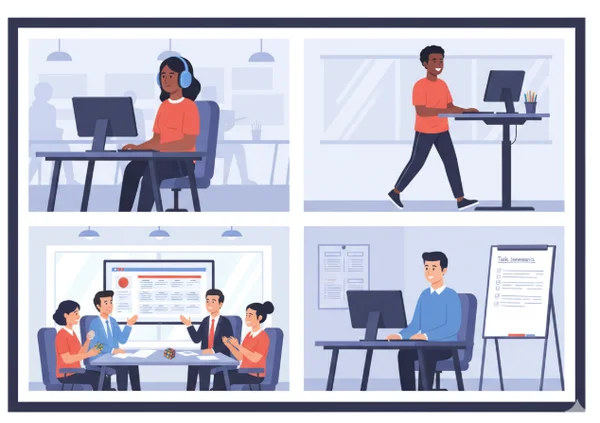
- Noise-Canceling Headphones: To block out office chatter and background noise.
- Flexible Work Location: Permission to work from a quiet conference room or from home a few days a week.
- Written Task Summaries: Asking that all verbal instructions from meetings be followed up with a brief email.
- Body Doubling: Working in a shared space with a colleague where the goal is silent productivity.
Accommodations for Impulsivity and Hyperactivity
If your results show high levels of hyperactivity or impulsivity, these might help:
- Scheduled Breaks: Taking five minutes every hour to walk or stretch to release physical energy.
- Fidget Tools: Using discreet sensory tools during long meetings to stay grounded.
- Standing Desks: Allowing for movement while working on tasks.
- Meeting Roles: Taking notes during a meeting to keep your hands and mind busy and prevent interruptions.
When you access your screening results, look closely at the "Hyperactivity" section of your AI report to see which of these might apply to you.
Next Steps: Applying Your ASRS Report for Workplace Success
Turning ADHD challenges into workplace strengths starts with understanding your needs. With insights from your ASRS test, you can stop swimming against the current and start working with your brain instead of against it. Securing support isn't about getting a free pass; it's about leveling the playing field so your true talents can shine.
The first step is always self-awareness. You cannot ask for what you need if you don't know how your ADHD affects you. Ready to uncover your ADHD workplace patterns? Start your free ASRS test and get your personalized action plan in 10 minutes. Use that knowledge to talk to a healthcare provider, understand your legal rights, and start the conversation with your employer. You deserve a workplace that works for you.
The Takeaway
Can my employer deny my ADHD accommodation request?
Yes, an employer can deny a request if it causes "undue hardship," meaning it is too expensive or disruptive to the business. However, they are usually required to engage in an "interactive process" to find an alternative that works for both parties. If you have a detailed ASRS test summary, it is much harder for them to claim the request is groundless.
Do I need a formal ADHD diagnosis to request workplace accommodations?
Legally, in many jurisdictions like the US, an employer can ask for medical documentation from a professional. While an online screening is a great starting point for your own knowledge, you will likely need a doctor to sign off on the official request. Using the results from our confidential ADHD screening tool can speed up this process with your doctor.
How should I handle coworkers who question my accommodations?
You are under no obligation to tell your coworkers about your ADHD or your accommodations. If someone asks why you get to wear headphones or work from home, you can simply say, "It's a productivity arrangement I’ve worked out with management." Your medical privacy is protected by law.
What if my accommodation request doesn't improve my work performance?
Accommodations are often a process of trial and error. If the first set of changes doesn't help, go back to your manager and suggest adjustments. Being proactive shows that you are dedicated to your job. Re-taking the ASRS test after a few months of accommodations can also help you track if your "symptom frequency" at work is decreasing.